Starting psychiatric care can feel like a big step. For many people, one of the first questions is simple: what actually happens during a medication management appointment?
Medication management is more than receiving a prescription. It is an ongoing clinical process focused on understanding symptoms, reviewing treatment history, choosing an appropriate plan, and monitoring progress over time. At OPMHS, medication management is designed to support children ages five and older, teens, and adults through a patient-centered and holistic approach to mental wellness.
The first appointment usually begins with a comprehensive psychiatric evaluation. During this visit, a qualified mental health professional gathers information about symptoms, past treatment experiences, medical history, family history, daily functioning, and current concerns. The purpose is not to rush into medication decisions. Instead, the provider aims to understand the full picture before making recommendations.
This first step matters because mental health symptoms are often complex. Depression, anxiety, ADHD, bipolar disorder, PTSD, OCD, and related conditions can overlap in ways that are not always obvious. A careful evaluation helps ensure that treatment starts from a strong clinical foundation. In many cases, patients are also asked about sleep, appetite, concentration, stress patterns, and past reactions to medication. All of this information helps shape the care plan.
Once the evaluation is complete, the provider may recommend medication, discuss possible options, or suggest additional next steps before starting anything new. That conversation typically includes the purpose of the medication, what it may help with, what side effects may be possible, and how progress will be monitored. A strong medication management visit should leave the patient with more clarity about the plan, not more confusion.
Follow-up appointments are just as important as the initial visit. Mental health medication often requires adjustment over time. A dose may need to be changed. A medication may need more time. In some cases, a different option may be more appropriate. Follow-up care is where the provider tracks what is working, what is not, and what should happen next.
This ongoing monitoring is one of the reasons medication management is such an important service. Effective psychiatric care is rarely about prescribing once and ending the conversation. It is about checking in, measuring response, watching for side effects, and making thoughtful updates as needed. This is especially important for patients who have had mixed experiences with medication in the past or who want a more consistent and supportive process.
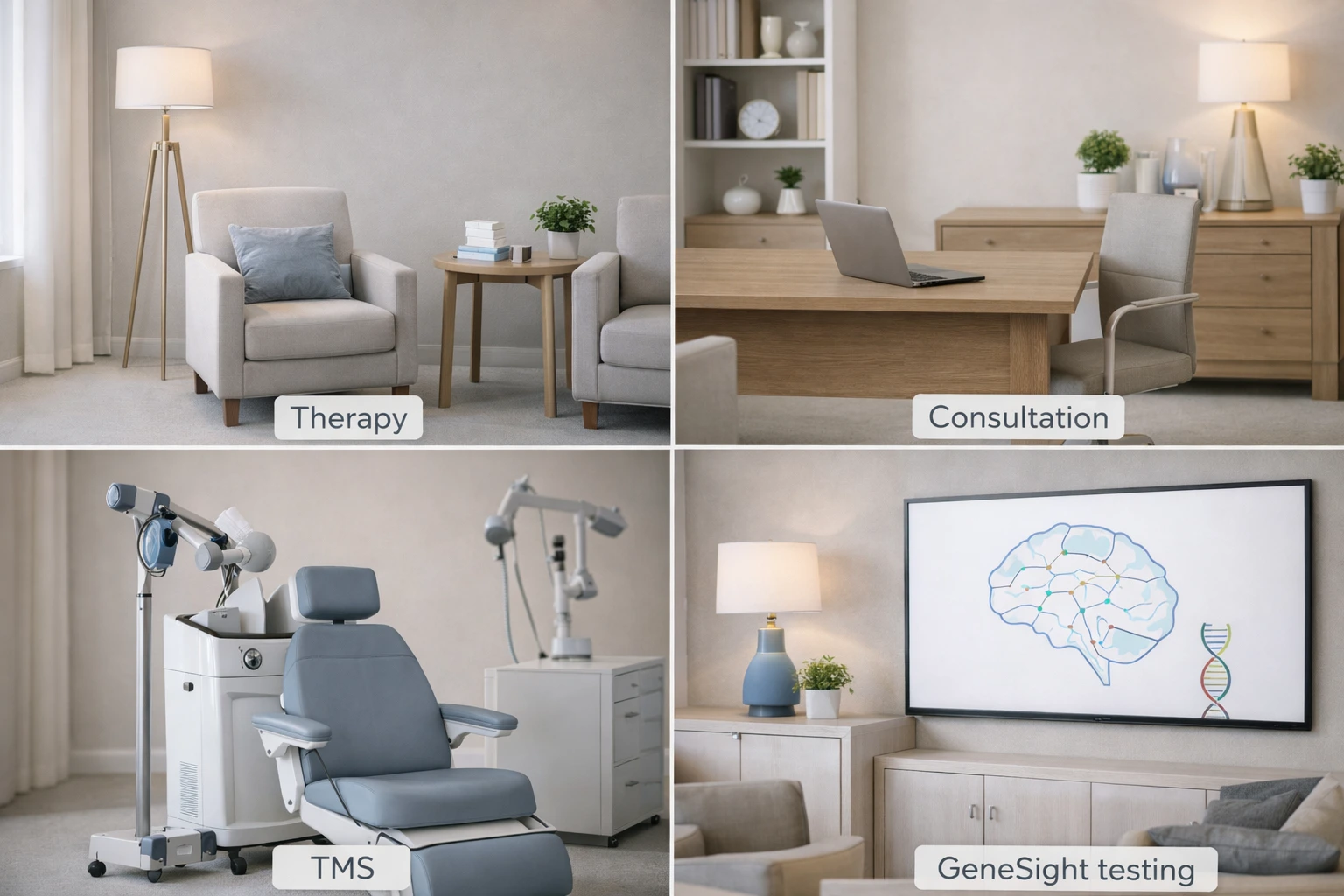
At OPMHS, medication management is also part of a broader treatment model. Medication may be one part of the care plan, but it is not always the only part. Some patients may also benefit from therapy, including approaches such as CBT or EMDR, depending on the condition and goals. Others may need a more specialized pathway if standard treatment is not producing enough relief. In those situations, integrated care becomes especially valuable because it allows the clinic to guide next steps more efficiently.
Another important benefit is accessibility. OPMHS offers services in person in Renton and virtually through telehealth across Washington. That can make ongoing care easier for busy adults, families, and patients who prefer the convenience of virtual follow-up visits when appropriate. Telehealth does not replace quality care. When structured well, it can make medication management more consistent and more sustainable.
For many people, the biggest fear before a psychiatric appointment is uncertainty. Not knowing what will be asked, whether concerns will be taken seriously, or how the plan will be explained can create added stress. A well-run medication management appointment should feel organized, collaborative, and respectful. The goal is to create a treatment plan that is clinically sound and personally relevant.
Mental health care works best when patients feel informed and supported. Medication management provides that structure. It gives people a clear place to start, a clear process to follow, and a professional partner who can help guide changes over time.
For those searching for psychiatric medication management in Renton, understanding the process can make the first step feel more approachable. Good care starts with good information, and the right appointment can help turn uncertainty into a plan.
Your life is important, it’s time to start living it!
Don’t let this get worse. Contact us now for immediate assistance.
FAQ‘s
A medication management appointment usually includes a review of symptoms, treatment history, current concerns, and how daily functioning is being affected. Providers may discuss medication options, possible side effects, follow-up plans, and how treatment will be monitored over time.
It can be helpful to bring a list of current medications, past psychiatric treatment history, major symptoms, relevant medical information, and any questions about care goals. This helps the provider build a clearer and more complete treatment plan.
Follow-up appointments vary depending on the care plan, symptoms, and whether treatment has recently changed. Some people need closer monitoring at the beginning, while others move to a more stable follow-up schedule over time.
Yes, telehealth may be available for eligible patients in Washington depending on the service type, clinical needs, and provider recommendations. A clinic can help explain whether virtual care is appropriate for a specific situation.
Medication management may support care for conditions such as depression, anxiety, ADHD, bipolar disorder, PTSD, OCD, and other mood-related concerns. Treatment recommendations depend on the individual evaluation and clinical judgment.
Yes. Medication management and therapy are often used together as part of a broader treatment plan. This combination may help support both symptom relief and long-term emotional coping strategies.