We understand just how challenging it is to live with depression. It is even more discouraging to take antidepressants for a period of time without experiencing any progress or relief. We want to assure you that your lack of response to medication is not
a personal failure, and there is nothing wrong with you.
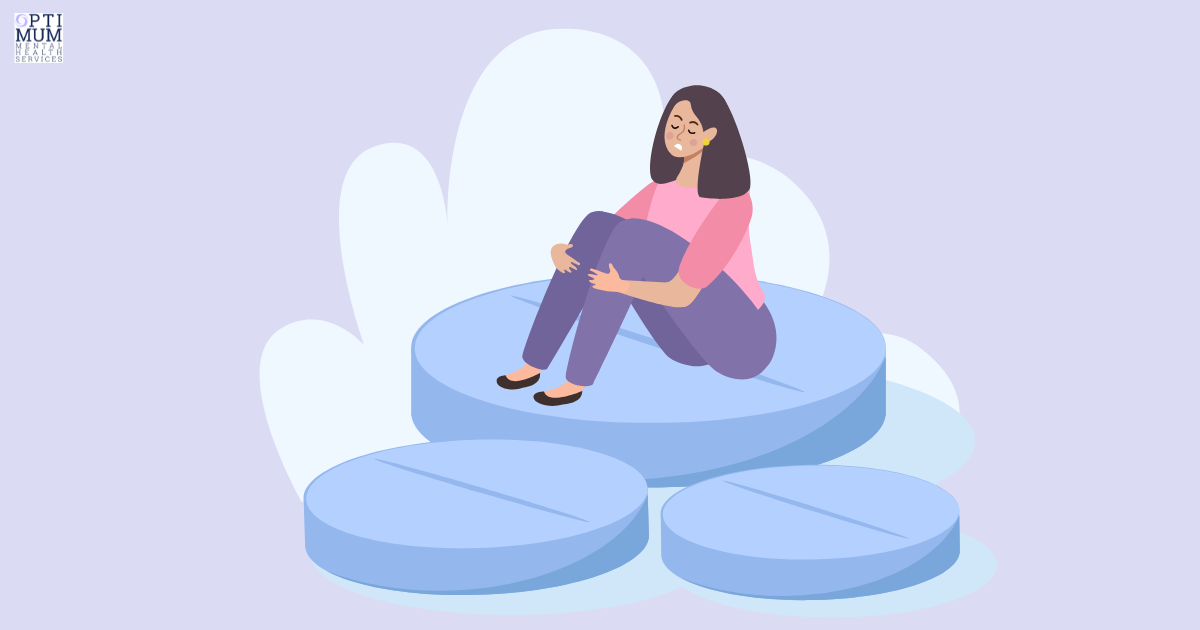
At Optimum Mental Health Services in Renton, Washington, we see many people who face this exact situation. What you are dealing with is called treatment-resistant depression (TRD). Understanding it can help you have more self-compassion and find
other kinds of treatment that fit you.
What Exactly is Treatment-Resistant Depression?
When you see one of our providers for depression, your treatment often starts with standard oral antidepressant medications, which are intended to balance brain chemistry over time. However, not everyone responds to treatment the same way, and the severe effects of depression can continue to persist. This is not unusual, as everyone reacts differently to different medications based on their biological makeup.
Treatment-resistant depression is diagnosed when you have consistently taken the full prescribed dosage of at least two different types of antidepressants, but your symptoms have not decreased. This simply means that your baseline brain chemistry is distinct, and it requires a different kind of clinical approach to achieve stability.
Signs Your Depression Treatment May Not Be Working
It is important that you know the specific signs of treatment-resistant depression so that you can discuss them with your provider. You are our priority when we develop an effective care plan, because we value your lived experience. Pay attention to these specific daily experiences:
1. Your Standard Symptoms Do Not Change
The most direct sign is that the depressive symptoms you experienced before starting treatment remain unchanged, even after trying multiple prescriptions without improvement. Your current medication approach may not be working effectively if you
still experience a very low mood, constant fatigue, appetite changes, and a lack of interest in things that previously brought you joy.
2. You Only Feel Better for a Short Time, Then Relapse
You might start a new prescription that makes you feel slightly better for a few weeks, but then you return to the same struggles you experienced at the beginning. Your mood can suddenly drop even when there are no external triggers, making it difficult to maintain long-term stability. This often means that your body is adjusting to the medication in a way that stops its therapeutic effects.
3. The Side Effects Outweigh the Benefits
Unfortunately, the physical side effects of psychiatric medications can be difficult to endure, especially when your emotional and mental state are not improving. Watch out for issues like dry mouth, weight changes, nausea, or sleep disruptions. If a medication
causes significant physical discomfort without providing emotional relief, the treatment plan needs to be re-evaluated.
4. Daily Responsibilities Still Feel Unmanageable
We provide psychiatric care to help you manage your daily life as normally as possible. However, your current treatment plan may not be effective if your depression continuously prevents you from going to work, managing your household, taking care of your physical hygiene, or maintaining your relationships.
The Solution You Need for Treatment-Resistant Depression: Spravato®
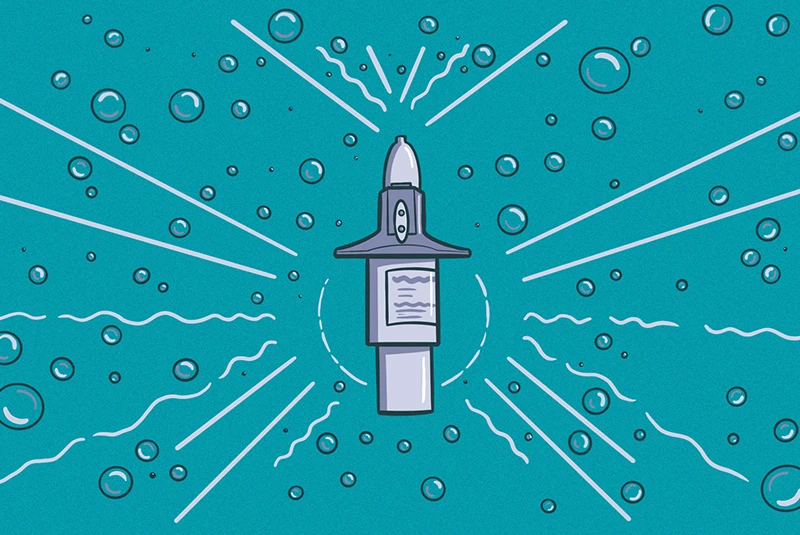
The good news is that there is an effective medical option even when treatment-resistant depression makes you feel as though your choices are limited. We invite you to try Spravato® (esketamine) nasal spray, an FDA-approved medical treatment specifically for adults with treatment-resistant depression.
At Optimum Mental Health Services, we are authorized to clinically administer this medication, so you can be confident that you are receiving experienced, professional care. Spravato® targets different pathways in the brain to provide relief from severe symptoms. Many individuals start to see an improvement in their depressive symptoms within 24 to 72 hours.
Because Spravato® is a specialized medication, you must take it under direct clinical supervision at our Renton clinic. We recommend that you call or visit us for a consultation first so that you can fully understand how the treatment works and address any specific questions you have.
Is Spravato® Covered by Insurance?
A concern you may have is whether specialized medical treatments like Spravato® are covered by health insurance. The answer is yes; most major health insurance plans, including Medicare, do cover Spravato® for the treatment of treatment-resistant depression.
At Optimum Mental Health Services, our dedicated administrative team manages the insurance approval process for you. We work directly with your insurance provider to complete the benefits verification and handle the required prior authorizations. Our team reviews your specific coverage details with you before you begin your sessions, helping you understand your exact copayments so there are no financial surprises.
Contact Optimum Mental Health Services Today
You may be nervous about starting Spravato® treatment, but we assure you that our clinical care team is here to support you during every session. Treatment-resistant depression can be managed effectively with Spravato®, and we are here to help you
improve your symptoms and achieve long-term emotional stability.
You can contact our office using the options below to verify your health insurance, ask
questions, or set up your initial appointment.
● Primary Call or Text Line: (425) 233-0431
● Alternative Phone Line: (206) 312-2769
● Office Address: 15 South Grady Way, Suite 249, Renton, WA 98057
● Online Scheduling: Visit our Contact Page to fill out an online inquiry form, and our staff will help you get started.