Mon – Fri | 8:00 am – 6:00 pm
Sat – Sun | closed

Category: Spravato

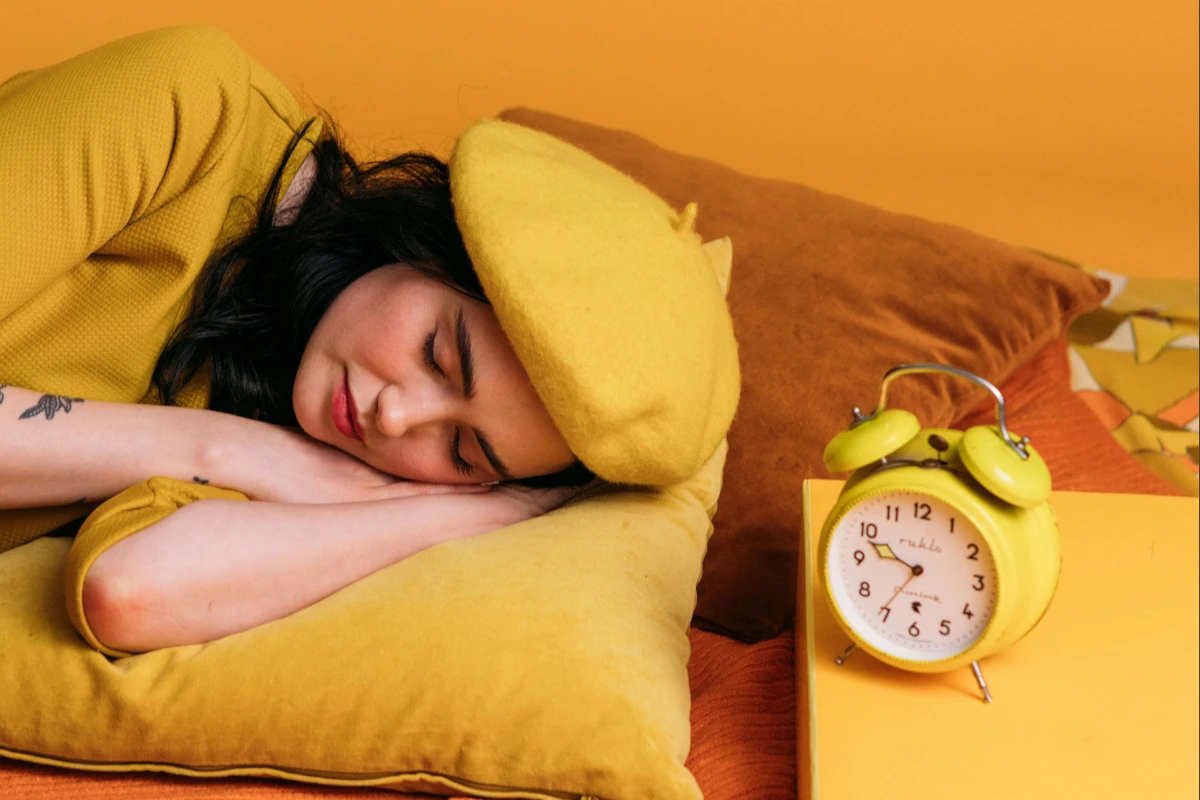
  • The Link Between Sleep & Mental Health

    The Link Between Sleep & Mental Health

    Sleep is a more complex process than many people realize, much of it is

    still a mystery to scientists. During sleep, the body goes through various

    processes and sleep stages. Good quality sleep is likely to result from spending

    enough time in all of the stages, including enough deep sleep which helps us feel

    refreshed. Poor sleep over a sustained period leads to many problems that are immediately recognizable, including fatigue, sleepiness, poor concentration, lapses in memory, and irritability.

    Up to one-third of the population may suffer from insomnia (lack of sleep or poor quality sleep). This can affect mood, energy and concentration levels, relationships, and ability to stay awake and function during the day. Sleep and health are strongly related, poor sleep can increase the risk of having poor health, and poor health can make it harder to sleep. Where this is the case, a combination approach to treating mental health problems and sleep problems in tandem is often the most effective.

    Unfortunately, one-third of US adults report sleeping less than the recommended amount. In a 2021 study, individuals who averaged 6 hours or less of sleep per night were found to be about 2.5 times more likely to experience frequent mental distress than those who slept for more than 6 hours. While more research is needed to understand the mechanisms underlying the connection between sleep and mental health, we know that sleep is important to many brain and body functions engaged in processing daily events and regulating emotions and behaviors.

    Tips for Improved Sleep

    1. Relax with a routine

    Develop a pre-sleep ritual involving relaxing activities to signal your body that it’s time to wind down. Deep breathing, progressive muscle relaxation, body scan meditation, and mindfulness can help calm individuals and decrease anxiety about going to sleep.

    1. Curate the environment

    Ensure your sleep environment is conducive to rest. Eye masks or earplugs are wonderful investments for mitigating light and noise disturbances. Temperature is also important, and if you share a bed with a partner with different temperature preferences, consider separate blankets. Also, be sure to invest in comfortable and breathable bedding.

    1. No napping

    If you have trouble sleeping, you may be tempted to catch up on sleep by napping. However, unless you’re feeling extremely sleepy, this usually does more harm than good as it makes it more difficult to sleep at night. If you feel tired during the day, take a walk, get some fresh air, or do something stimulating for a few minutes.

    1. Tech-Free Time

    Try to make your bed a tech-free place. The blue light of screens essentially wakes your brain up, making it harder to fall and stay asleep. It is recommended that you avoid screens 1-2 hours before going to sleep.
  • Debunking common myths about Spravato

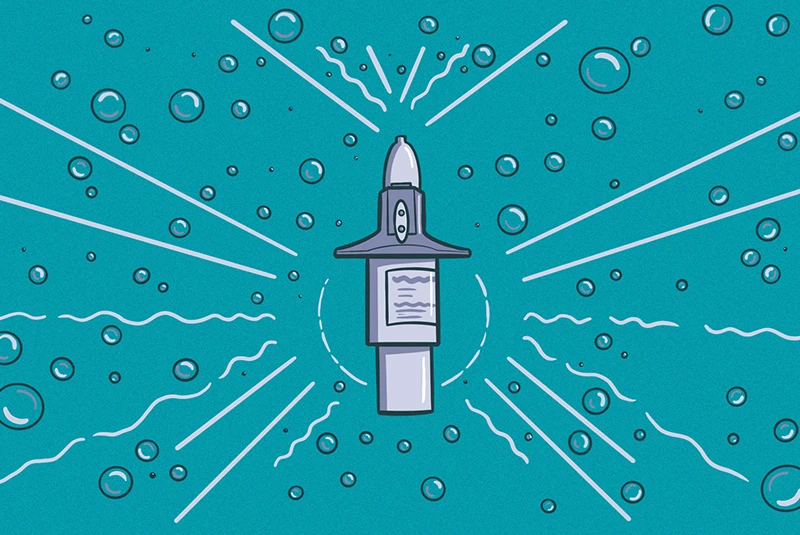
    Debunking common myths about Spravato

    Spravato is specifically approved for treatment-resistant depression (TRD) and major depressive disorder (MDD) with suicidal thoughts, meaning it is for individuals who haven’t responded to at least two prior antidepressants. It’s not a last resort but rather an option for those needing a different approach to treatment. There are a lot of misconceptions about Spravato®, and we’re here to clear them up. This FDA-approved treatment for treatment-resistant depression is often misunderstood, leading to confusion about how it works and who it’s for. Let’s break down some myths and uncover the real facts so you can make informed decisions about your mental health.

    MYTH #1 — Spravato is not covered by insurance

    Many insurance plans, including Medicare, do cover Spravato. Our clinic takes care of the entire prior authorization process, working closely with insurers to streamline approvals and ensure a hassle-free experience for our clients.

    While some patients feel relief after just a few sessions, most see gradual changes over several weeks. Depression treatment isn’t one-size-fits-all.

    MYTH #2 — Spravato is only used as a last-resort treatment

    Spravato is specifically approved for treatment-resistant depression (TRD) and major depressive disorder (MDD) with suicidal thoughts, meaning it is for individuals who haven’t responded to at least two prior antidepressants. It’s not a last resort but rather an option for those needing a different approach to treatment.

    MYTH #3 — Spravato works instantly for everyone

    While some patients feel relief after just a few sessions, most see gradual changes over several weeks. Depression treatment isn’t one-size-fits-all.

    MYTH #4 — Spravato is just like taking an antidepressant pill

    Unlike traditional SSRIs and SNRIs, Spravato works on NMDA receptors, offering a unique and faster-acting approach to treatment-resistant depression.

    MYTH #5 — Spravato is addictive like opioids

    While Spravato contains esketamine, a derivative of ketamine, it is not the same as recreational ketamine use and does not lead to physical dependence when used as prescribed. Spravato is administered in a controlled medical setting under supervision, greatly reducing the risk of misuse, and patients are carefully screened before starting treatment to ensure it is an appropriate and safe option.

    MYTH #6 — Spravato replaces the need for therapy or other treatments

    Spravato works best as part of a comprehensive treatment plan. It is not a standalone cure but is most effective when combined with therapy, lifestyle changes, and other medications as needed.

    MYTH #7 — Spravato and IV ketamine therapy are the same

    Both come from ketamine, but Spravato is FDA-approved, administered as a nasal spray, and requires clinical supervision. IV ketamine is not FDA-approved for depression and follows a different protocol.

    MYTH #8 — Spravato is dangerous for everyone with a history of substance use

    While Spravato has the potential for misuse, patients with a history of substance use can still be eligible if properly screened and monitored. Providers assess each patient’s history and develop a treatment plan to ensure safe use.

  • Let’s talk about treatment-resistant depression

    Let’s talk about treatment-resistant depression

    According to a 2021 study, out of the 8.9 million adults who take medication for major depressive disorder, approximately 2.8 million (30.9%) have treatment-resistant depression (TRD). Patients who have not had a positive response to two or more antidepressants from different classes can be considered as having treatment-resistant depression.

    If you have TRD and have not found relief, there is hope.

    Spravato is transforming the landscape for those with treatment-resistant depression, providing a beacon of hope where other therapies have fallen short. With its innovative approach, many are finding relief and a path toward brighter days.

    In a clinical trial, after four weeks of treatment, about 70% of patients had at least a 50% reduction in symptoms, and about 50% achieved complete remission from depressive symptoms.

    In a clinical trial, after four weeks of treatment, about 70% of patients had at least a 50% reduction in symptoms, and about 50% achieved complete remission from depressive symptoms.