Mon – Fri | 8:00 am – 6:00 pm
Sat – Sun | closed

Category: Post

  • Burnout & Its Warning Signs

    Burnout & Its Warning Signs

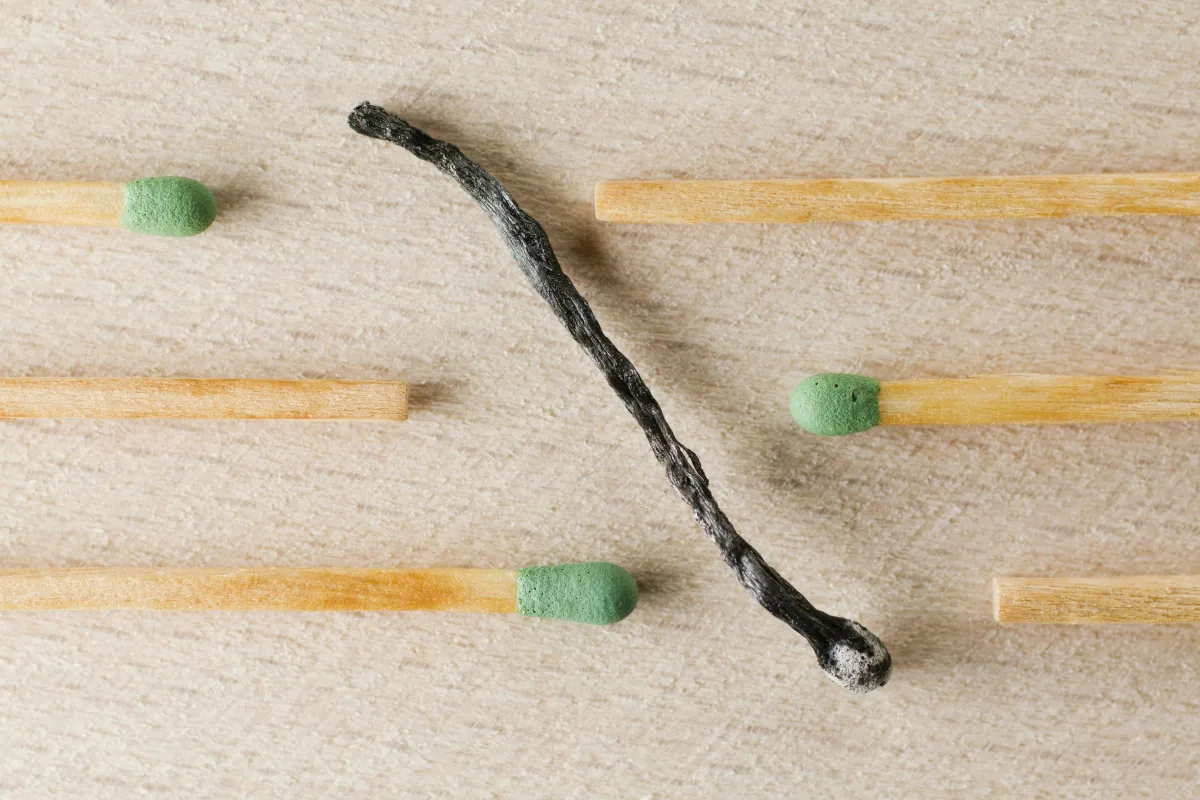
    Burnout can sneak up on us, often showing up in ways we don’t immediately recognize. It’s more than just feeling tired or having a rough day—it’s a state of chronic stress that affects our mind, body, and spirit. Often, we keep pushing ourselves, telling ourselves that if we just work a little harder, we’ll catch up or get ahead. But burnout isn’t a sign of weakness—it’s your body and mind telling you that you need care, rest, and recalibration.

    Here are some common warning signs that you may be experiencing burnout: 

    • being constantly tired and unmotivated, but struggling to rest and sleep
    • suddenly having a burst of energy and productivity – this can sometimes predict a big ‘crash’ soon after
    • you find yourself stuck in ‘freeze mode’; e.g. mindlessly scrolling social media for hours in your free time even if that’s not what you want to do
    • feeling cynical and like the things you’re doing don’t matter or aren’t important
    • experiencing compassion fatigue: the sudden inability to tap into feelings of empathy or compassion
    • even fun things are starting to feel like stressful obligations
    • you find yourself being highly irritable and snapping at loved ones over small things
    • constant procrastination and taking longer to get things done; often paired with overwhelm and stress

    In today’s fast-paced, goal-oriented world, it’s easy to push ourselves past our limits in the pursuit of success. We tell ourselves that the work must come first, that deadlines, promotions, and achievements matter more than how we feel. But the truth is, without our health and well-being, none of those successes really matter.

    Burnout doesn’t always arrive with a dramatic warning—it often creeps in quietly, showing up as exhaustion, cynicism, or a creeping sense that nothing we do is enough. Recognizing the signs early is key to preventing the bigger crashes that can follow.

    “No promotion, no raise, no accolade will mean anything if you aren’t happy and healthy.” – Olivia Kram
  • Debunking common myths about Spravato

    Debunking common myths about Spravato

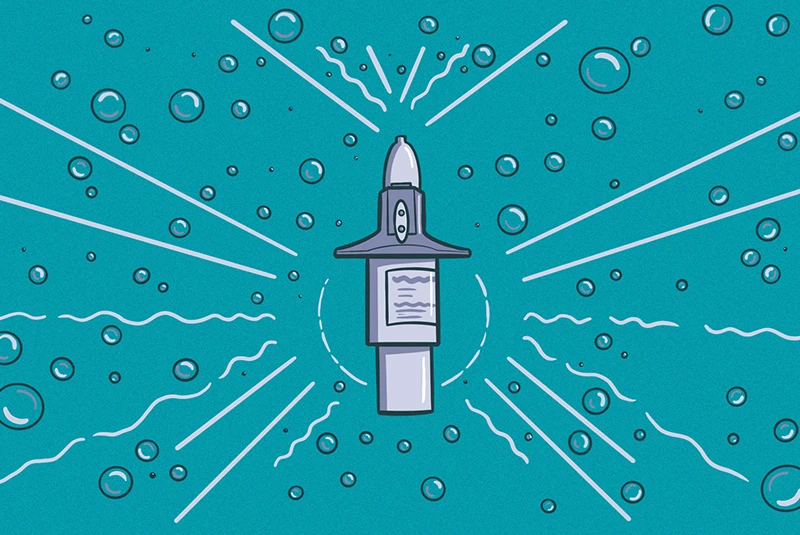
    Spravato is specifically approved for treatment-resistant depression (TRD) and major depressive disorder (MDD) with suicidal thoughts, meaning it is for individuals who haven’t responded to at least two prior antidepressants. It’s not a last resort but rather an option for those needing a different approach to treatment. There are a lot of misconceptions about Spravato®, and we’re here to clear them up. This FDA-approved treatment for treatment-resistant depression is often misunderstood, leading to confusion about how it works and who it’s for. Let’s break down some myths and uncover the real facts so you can make informed decisions about your mental health.

    MYTH #1 — Spravato is not covered by insurance

    Many insurance plans, including Medicare, do cover Spravato. Our clinic takes care of the entire prior authorization process, working closely with insurers to streamline approvals and ensure a hassle-free experience for our clients.

    While some patients feel relief after just a few sessions, most see gradual changes over several weeks. Depression treatment isn’t one-size-fits-all.

    MYTH #2 — Spravato is only used as a last-resort treatment

    Spravato is specifically approved for treatment-resistant depression (TRD) and major depressive disorder (MDD) with suicidal thoughts, meaning it is for individuals who haven’t responded to at least two prior antidepressants. It’s not a last resort but rather an option for those needing a different approach to treatment.

    MYTH #3 — Spravato works instantly for everyone

    While some patients feel relief after just a few sessions, most see gradual changes over several weeks. Depression treatment isn’t one-size-fits-all.

    MYTH #4 — Spravato is just like taking an antidepressant pill

    Unlike traditional SSRIs and SNRIs, Spravato works on NMDA receptors, offering a unique and faster-acting approach to treatment-resistant depression.

    MYTH #5 — Spravato is addictive like opioids

    While Spravato contains esketamine, a derivative of ketamine, it is not the same as recreational ketamine use and does not lead to physical dependence when used as prescribed. Spravato is administered in a controlled medical setting under supervision, greatly reducing the risk of misuse, and patients are carefully screened before starting treatment to ensure it is an appropriate and safe option.

    MYTH #6 — Spravato replaces the need for therapy or other treatments

    Spravato works best as part of a comprehensive treatment plan. It is not a standalone cure but is most effective when combined with therapy, lifestyle changes, and other medications as needed.

    MYTH #7 — Spravato and IV ketamine therapy are the same

    Both come from ketamine, but Spravato is FDA-approved, administered as a nasal spray, and requires clinical supervision. IV ketamine is not FDA-approved for depression and follows a different protocol.

    MYTH #8 — Spravato is dangerous for everyone with a history of substance use

    While Spravato has the potential for misuse, patients with a history of substance use can still be eligible if properly screened and monitored. Providers assess each patient’s history and develop a treatment plan to ensure safe use.